
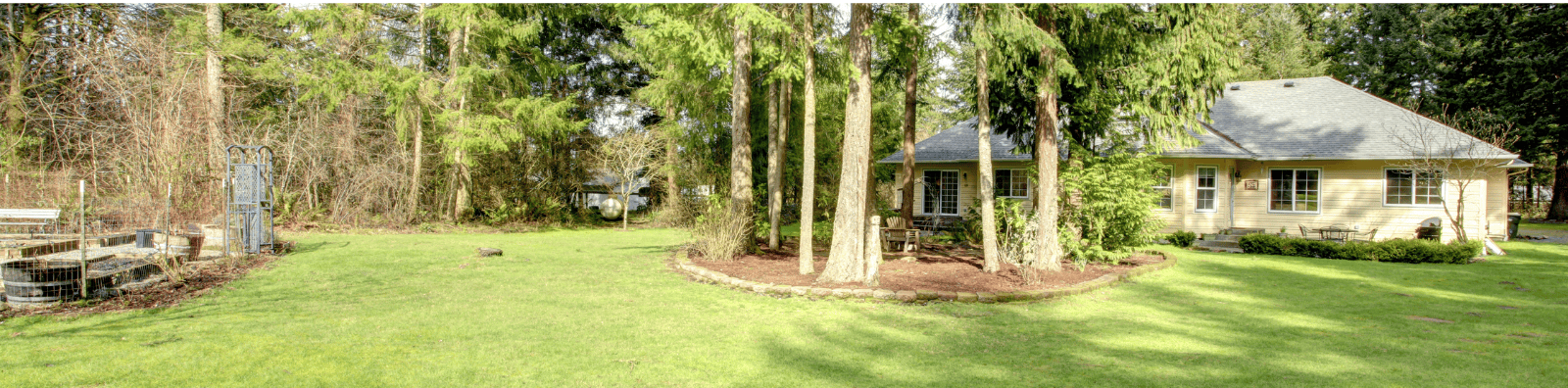
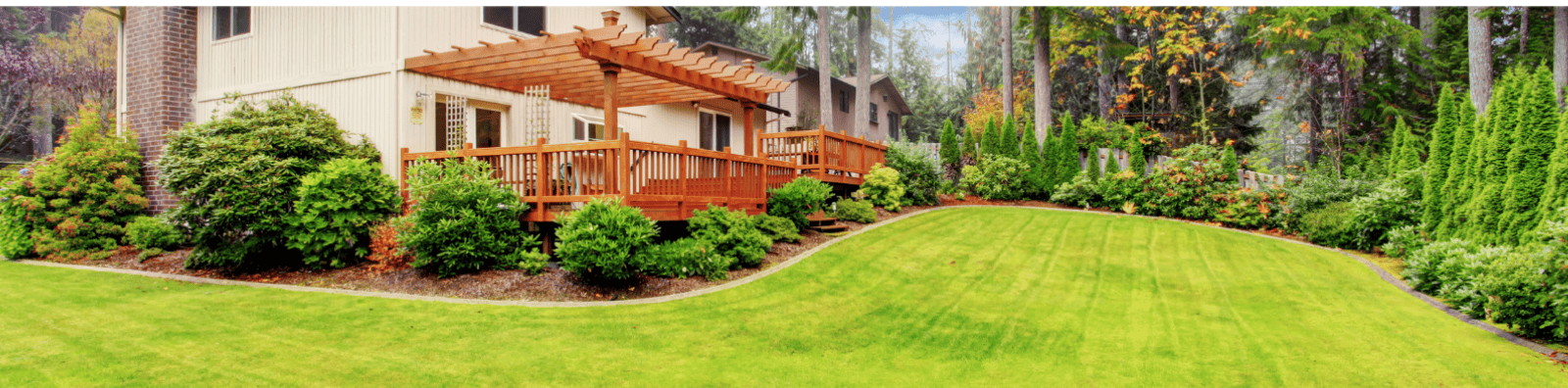
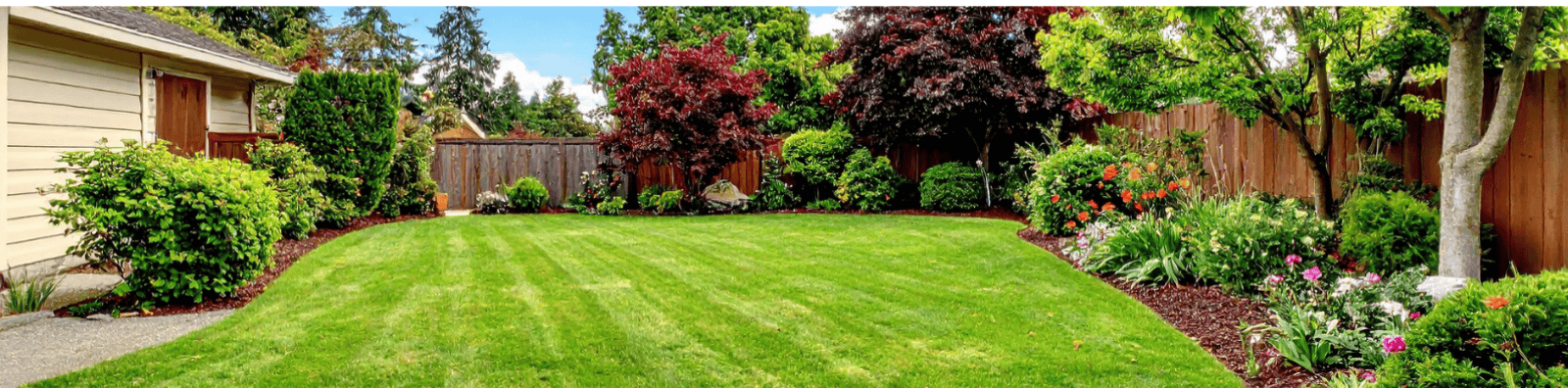
Creating a visually appealing and functional outdoor space starts with understanding the two core elements of landscape design: hardscaping and softscaping. Hardscaping refers to the non-living features of your yard, such as patios, walkways, retaining walls, driveways, fire pits, and stone edging. These elements provide structure, usability, and definition. Softscaping, on the other hand, includes all living components like grass, trees, shrubs, flowers, and ground covers. These bring color, texture, movement, and seasonal variety to your landscape. A successful outdoor design depends on how well these two elements work together rather than compete with each other. Today, we at J & J Landscaping & Nursery would like to discuss how to blend hardscaping and softscaping for a balanced outdoor space.
Creating Structure with Hardscaping First
A well-balanced landscape often begins with hardscaping because it sets the foundation and flow of the space. Think of it as the “skeleton” of your yard. Walkways guide movement, patios define gathering areas, and retaining walls shape elevation changes. When planned properly, hardscaping creates natural zones for dining, relaxing, or entertaining. The key is to avoid overbuilding. Too much stone or concrete can make a space feel cold and uninviting. Instead, hardscaping should establish order while leaving plenty of room for greenery to soften the overall look.
Softscaping Adds Life & Softness
Once the structural elements are in place, softscaping brings the design to life. Plants introduce color, fragrance, and seasonal change, making the landscape feel dynamic rather than static. Layering is especially important, taller trees can provide shade and privacy, medium shrubs create structure, and low ground covers or flowers fill in gaps. Softscaping also helps soften the rigid edges of patios, walkways, and walls, making transitions feel more natural and visually pleasing. Without plants, hardscaping can feel harsh, but with the right balance, it becomes inviting and organic.
Finding the Right Balance Between the Two
The most effective landscapes strike a balance where neither hardscaping nor softscaping overwhelms the other. A good rule of thumb is to let hardscape elements define about 30–40% of the space, while softscaping fills the remaining area. This ratio ensures structure without sacrificing natural beauty. Repetition of materials and plant types can also help unify the design. For example, using the same stone across patios and walkways while repeating plant colors or textures throughout the yard creates cohesion.
Using Softscaping to Soften Hard Edges
One of the most important design techniques is using plants to break up harsh lines. For instance, ornamental grasses along a stone pathway can create movement and softness. Flower beds around patios help blend built structures into the surrounding yard. Even climbing vines on retaining walls or pergolas can transform rigid surfaces into living features. These small touches help the entire space feel more integrated and less artificial.
Bringing It All Together for a Cohesive Design
A well-balanced outdoor space should feel natural, functional, and visually appealing from every angle. When hardscaping provides structure and softscaping adds life, the result is a landscape that is both practical and beautiful year-round. By thoughtfully combining the two, homeowners can create outdoor environments that are not only enjoyable but also increase property value and long-term usability. Contact J & J Landscaping & Nursery to schedule your landscaping design consultation.
